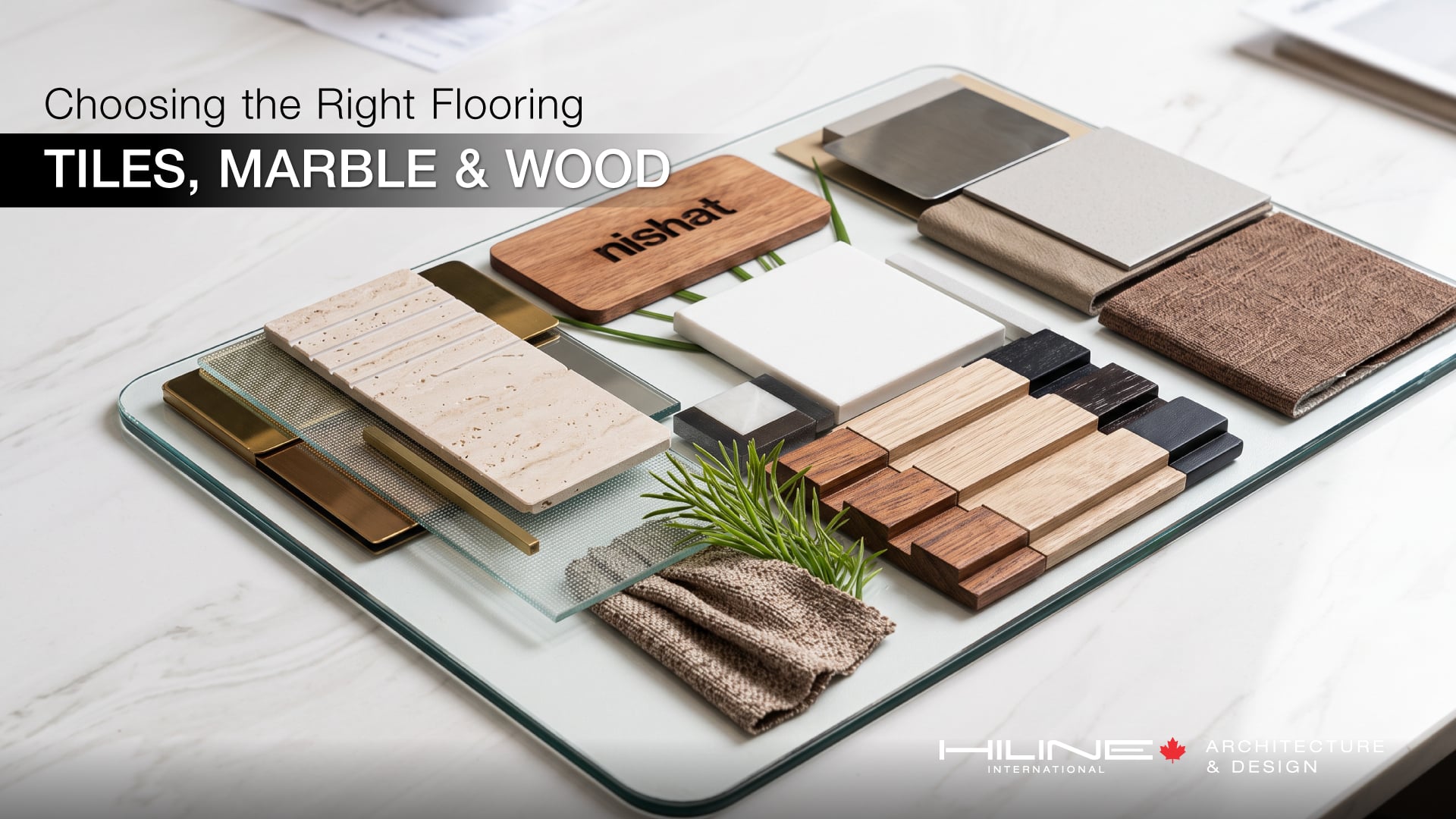
Flooring is one of the most important elements of residential interior design. It influences how a room looks, feels, and functions in everyday life. From the living room and kitchen to bedrooms and bathrooms, the right flooring material can improve comfort, complement furniture, and make regular maintenance easier.
For homeowners planning a new house or renovating an existing property, choosing between ceramic tiles, porcelain, marble, and wooden flooring can be challenging. Each material offers different advantages in terms of appearance, durability, maintenance, and suitability for particular rooms.
When exploring flooring options for homes in Lahore, it is important to consider more than just colour or design. Local weather conditions, dust, daily foot traffic, moisture exposure, installation quality, and household requirements should all influence the final decision.
This guide explains the differences between popular flooring materials, where each option works best, and how to select a floor that complements your home’s overall design.
Why Choosing the Right Flooring Matters
Flooring covers a large part of a home’s interior, so its appearance can influence the entire design. However, its practical role is equally important.
The right flooring choice can help you:
- Improve interior appearance: Floor colours, patterns, and textures contribute to the overall atmosphere of a room.
- Support everyday use: Different materials are suitable for different levels of foot traffic and activity.
- Manage maintenance: Some surfaces are easier to clean, while others require specialized care.
- Improve comfort: Flooring materials differ in how they feel underfoot and how they interact with indoor temperatures.
- Create visual consistency: Coordinating floors with walls, furniture, and lighting helps create a balanced interior.
- Make informed long-term decisions: Considering durability and maintenance before installation can reduce future replacement and repair requirements.
A material that looks attractive in a showroom may not necessarily be the best choice for every room. Its suitability depends on how the space will be used.
Understanding Different Flooring Materials for Homes
Four popular choices for residential flooring are ceramic tiles, porcelain tiles, marble, and wood-based flooring. Understanding their characteristics makes it easier to compare them according to your requirements.
1. Ceramic Tiles – A Practical Choice for Everyday Living
Ceramic tiles are commonly used in residential interiors because they are available in numerous colours, patterns, sizes, and surface finishes.
They are manufactured using clay-based materials that are shaped and fired. Depending on the product, their surfaces may feature printed designs, decorative patterns, or textures that resemble natural materials.
Advantages of ceramic flooring:
- Available in a wide range of designs.
- Generally easy to clean.
- Suitable for many everyday residential applications.
- Available in different price and quality categories.
- Can complement both traditional and modern interiors.
Ceramic tiles can work well in living areas, kitchens, and other residential spaces when the selected product is appropriate for the intended use.
However, quality and technical specifications vary. Some ceramic tiles may be less suitable for areas exposed to frequent moisture or heavy use than products specifically designed for those conditions.
Where should you use ceramic tiles?
Ceramic flooring can be considered for general living areas, smaller rooms, and selected kitchen applications. For bathrooms and other wet areas, check the tile’s slip resistance and suitability before installation.
2. Porcelain Tiles – Durability and Design Versatility
Porcelain tiles are a type of ceramic tile manufactured using refined materials and firing processes that generally produce a denser product with lower water absorption.
They are popular in contemporary residential interiors because they combine practical performance with a wide range of visual designs.
<AsyncImageGroup query={[“large format porcelain tile flooring modern luxury living room”,”matte porcelain floor tiles contemporary home interior”,”marble effect porcelain tiles modern residential interior”]} aspectRatio=”5:4″/>
Advantages of porcelain flooring:
- Generally lower water absorption than standard ceramic tiles.
- Available in many colours, textures, and patterns.
- Suitable for different residential applications.
- Options that imitate marble, concrete, and natural stone.
- Available in matte, polished, and textured finishes.
Porcelain tiles are particularly useful when homeowners want the appearance of natural stone without choosing actual marble. Large-format options can also create a more continuous visual appearance by reducing the number of visible grout lines.
However, not all porcelain tiles have the same surface characteristics. A polished porcelain tile may become slippery when wet, while textured or appropriately rated matte products may provide better traction.
Where should you use porcelain tiles?
Porcelain can be considered for living rooms, hallways, kitchens, and bathrooms, provided the selected tile has suitable technical and surface properties for the specific location.
3. Marble Flooring – Natural Beauty and Timeless Appeal
Marble is a natural stone valued for its distinctive patterns, veining, and premium appearance. Since it is formed naturally, each slab can have variations in colour and pattern.
<AsyncImageGroup query={[“white natural marble flooring luxury living room interior”,”beige marble flooring modern Pakistani house interior”,”natural grey marble floor polished contemporary interior”]} aspectRatio=”5:4″/>
Marble is often used in entrances, living rooms, and other spaces where homeowners want a distinctive natural finish.
Advantages of marble flooring:
- Unique natural patterns and veining.
- Premium and elegant appearance.
- Different colours and stone varieties.
- Can complement traditional and contemporary interiors.
- Can be polished to restore its surface appearance when appropriate.
Despite its visual appeal, marble requires more attention than many manufactured flooring products.
It is a natural stone that can be affected by acidic substances, staining, and surface scratching. Some varieties are also more porous than others. Appropriate sealing, careful cleaning, and periodic maintenance may be necessary.
Where should you use marble?
Marble can be an attractive option for living rooms, entrance areas, and selected bedrooms. However, its suitability should be assessed according to the stone variety, expected usage, maintenance requirements, and household preferences.
4. Wooden Flooring – Warmth and Comfort
Wooden flooring introduces warmth and natural character into a residential interior. Its texture and colour can make bedrooms and selected living areas feel more inviting.
However, the term wooden flooring covers several different products, and their performance can vary considerably.
Common types of wooden flooring include:
- Solid wood: Made from natural timber and valued for its authentic appearance. It generally requires careful moisture management and maintenance.
- Engineered wood: Constructed using multiple layers with a real wood surface. Its stability and suitability depend on the product’s construction and installation.
- Laminate flooring: A manufactured product with a decorative surface designed to replicate wood or other finishes.
- Wood-look tiles: Ceramic or porcelain tiles designed to resemble timber while retaining the characteristics of tile flooring.
<AsyncImageGroup query={[“natural oak wooden flooring modern bedroom interior”,”engineered wood flooring contemporary home living room”,”wood look porcelain tile flooring modern interior”]} aspectRatio=”5:4″/>
Advantages of wooden flooring:
- Warm and natural appearance.
- Wide range of colours and finishes.
- Complements modern, minimalist, and traditional interiors.
- Can create a comfortable visual atmosphere in bedrooms.
- Different product types provide different maintenance and budget options.
The main consideration is moisture. Natural wood and certain engineered or laminate products can be affected by water exposure, humidity, or unsuitable cleaning methods.
Where should you use wooden flooring?
Bedrooms and selected living areas are common choices. For kitchens, bathrooms, or other moisture-prone locations, choose a product specifically designed for those conditions. Wood-look porcelain tiles may offer an alternative where the appearance of timber is preferred alongside tile-based performance.
Tiles vs Marble vs Wood vs Porcelain – Which Flooring Is Better?
There is no single flooring material that is best for every home. Each option has different characteristics, and the right selection depends on room usage, design preferences, maintenance expectations, and budget.
| Flooring Material | Main Advantage | Maintenance Consideration | Suitable Applications |
| Ceramic Tiles | Variety and practical everyday use | Generally straightforward cleaning | Living areas, kitchens, selected bathrooms |
| Porcelain Tiles | Low water absorption and design versatility | Usually easy to maintain; surface finish matters | Living rooms, kitchens, bathrooms with suitable finishes |
| Marble | Natural patterns and premium appearance | Sealing and careful cleaning may be required | Entrances, living rooms, selected bedrooms |
| Wooden Flooring | Warm and natural appearance | Depends on product type and moisture exposure | Bedrooms and selected living areas |
When comparing materials, consider the complete installation rather than the product alone. Surface preparation, tile thickness, installation method, grout quality, and workmanship can all influence the final result.
For homeowners comparing different design possibilities, exploring flooring choices within modern retail and interior spaces can also provide useful inspiration for understanding how surface finishes contribute to the overall appearance of a space.
How to Choose Flooring for Different Rooms in Your Home
A practical way to select flooring is to evaluate each room separately. The living room, kitchen, bedroom, and bathroom have different requirements, so using the same material throughout the house is not always necessary.
Living Room Flooring – Balance Appearance and Durability
The living room is generally one of the most frequently used spaces in a home. It may accommodate family activities, guests, and everyday movement.
Porcelain tiles are a popular option because they offer different designs and surface finishes. Marble can also create a premium appearance, particularly in larger living spaces.
When selecting living room flooring, consider:
- The amount of daily foot traffic.
- Furniture weight and movement.
- Natural light entering the room.
- Floor colour in relation to walls and furniture.
- Cleaning requirements.
- Whether the room connects directly to an outdoor area.
Large-format tiles may help create a visually continuous floor, while neutral colours can complement different furniture styles.
Kitchen Flooring – Prioritize Cleaning and Slip Resistance
Kitchen floors are exposed to food spills, water, grease, and frequent movement. The selected surface should be practical to clean and appropriate for the conditions.
Porcelain and suitable ceramic tiles can be considered for kitchen flooring.
Before making a selection, check:
- Whether the surface is suitable for kitchen use.
- Slip resistance, especially around sinks and washing areas.
- Resistance to common household stains.
- Grout requirements and cleaning.
- Compatibility with kitchen cabinets and countertops.
Highly polished surfaces may show marks and can become slippery when wet. A suitable textured or matte finish may be more practical, depending on the product.
Bedroom Flooring – Focus on Comfort and Appearance
Bedrooms are personal spaces where visual comfort and atmosphere are important.
Wooden flooring can create a warm, welcoming appearance, while wood-look porcelain tiles offer a different option for homeowners who prefer tile-based flooring.
Other considerations include:
- Coordination with bed frames and wardrobes.
- Colour compatibility with curtains and wall finishes.
- Ease of cleaning.
- Comfort underfoot.
- Household preferences and maintenance requirements.
A carefully selected neutral or natural-looking floor can help create a calm bedroom environment.
Bathroom Flooring – Safety Comes First
Bathrooms require flooring that can handle frequent water exposure while providing appropriate traction.
Porcelain and ceramic tiles are common choices, but the finish matters as much as the material.
Look for:
- Suitable slip resistance for wet conditions.
- Textured or matte surfaces where appropriate.
- Proper drainage and floor slope.
- Moisture-resistant installation materials.
- Grout that is suitable for bathroom applications.
- Easy-to-maintain surfaces.
A visually attractive polished tile should not automatically be selected for a shower area. Product specifications and wet-area suitability should guide the decision.
Entrance and Hallway Flooring – Consider Foot Traffic
Entrances and hallways often experience more frequent movement than other parts of the house.
The flooring should be durable, easy to clean, and visually compatible with the adjoining rooms.
Porcelain tiles and suitable natural stone options can be considered depending on the design and maintenance requirements.
For homes with direct access from outdoor areas, practical attention should also be given to dust, moisture, and the transition between indoor and outdoor surfaces.
Flooring Considerations for Lahore Homes
When choosing home flooring design in Lahore, homeowners should consider local living conditions alongside appearance and material specifications.
Account for Seasonal Temperature Changes
Lahore experiences hot summers and cooler winter periods. Flooring materials can feel different underfoot depending on the season and indoor conditions.
Tiles and natural stone generally feel cooler to the touch, while wood-based flooring can provide a warmer visual and physical impression.
The choice should reflect the comfort preferences of the household and the room’s intended use.
Consider Dust and Cleaning Requirements
Dust can accumulate in residential spaces, particularly near entrances and frequently used areas.
Floor colour, texture, and finish influence how visible dust and footprints become.
For example, very dark polished floors may show dust and marks more clearly, while certain textured surfaces may require additional effort during cleaning.
A practical colour and finish selection can make everyday maintenance easier.
Evaluate Moisture Exposure
Kitchens, bathrooms, balconies, and utility areas have different moisture requirements from bedrooms and living rooms.
A material suitable for a dry bedroom may not be appropriate for a frequently wet bathroom.
Check product specifications and installation recommendations rather than selecting flooring based only on appearance.
Plan Indoor and Outdoor Transitions
In houses with terraces, patios, balconies, or garden access, flooring transitions deserve attention.
The outdoor material should be suitable for exposure to weather and moisture, while the indoor flooring should complement the overall design.
Proper levels, drainage, and slip resistance are important where indoor and outdoor surfaces meet.
Matte vs Glossy Flooring – Which Finish Should You Choose?
Apart from choosing a material, homeowners must also decide which surface finish will work best for their space.
| Feature | Matte Finish | Glossy Finish |
| Appearance | Subtle and understated | Reflective and polished |
| Light Reflection | Lower | Higher |
| Visible Marks | Depends on colour and texture | Can show fingerprints, water marks, and smudges more clearly |
| Wet-Area Suitability | Must still be checked for slip resistance | Often requires extra caution |
| Design Style | Contemporary and understated | More formal and reflective |
When Should You Choose Matte Flooring?
Matte finishes are often preferred for contemporary interiors because they create a softer appearance.
Depending on the product’s texture and rating, they may be suitable for areas where traction is an important consideration.
When Should You Choose Glossy Flooring?
Glossy flooring reflects more light and can create a polished appearance. It may work well in selected living spaces and formal interiors.
However, reflections, visible marks, and wet-surface slipperiness should be considered before installation.
The best finish depends on the room, product specifications, lighting conditions, and household requirements.
Flooring Colours and Patterns That Complement Modern Interiors
Flooring colours influence how spacious, warm, or formal a room feels. The right choice should complement the walls, furniture, lighting, and architectural style.
Light Colours for an Open Appearance
White, cream, beige, and light grey floors can help create a brighter visual environment.
They are often suitable for smaller rooms where homeowners want to maintain a sense of openness.
However, lighter floors may show certain stains more clearly, so maintenance requirements should also be considered.
Dark Colours for a Rich Interior
Dark brown, charcoal, and deeper stone-inspired finishes can create contrast and a more dramatic appearance.
They work particularly well when coordinated with suitable wall colours and furniture finishes.
In smaller or poorly lit rooms, extensive use of dark flooring may make the space feel visually heavier.
Natural Patterns for Added Character
Marble-inspired patterns, wood textures, and subtle stone designs can introduce visual interest without requiring additional decorative elements.
The pattern should be selected according to room size and the surrounding interior. Highly detailed patterns may become overwhelming when combined with heavily decorated furniture or walls.
For a coordinated result, flooring should be considered alongside furniture and decorative finishes. HILINE’s furniture design and decor solutions provide a relevant starting point for thinking about how floor materials can complement the rest of a room.
Common Flooring Mistakes Homeowners Should Avoid
A flooring decision can become expensive to correct once installation is complete. Avoiding a few common mistakes can help homeowners make more practical choices.
- Selecting flooring only because of its appearance
A beautiful surface may not be suitable for a busy kitchen or wet bathroom. Always evaluate functionality alongside design.
- Ignoring slip resistance
Glossy or smooth surfaces may become slippery when wet. Check the product’s suitability for the intended area.
- Comparing materials only by purchase price
The total cost includes installation, preparation, adhesives, grout, finishing, and possible maintenance.
- Not checking tile specifications
Tile size, thickness, water absorption, surface finish, and intended application should be reviewed before purchasing.
- Ignoring grout and joint details
Grout colour and joint width affect the final appearance. Poor installation can also lead to uneven surfaces and maintenance problems.
- Choosing unsuitable materials for moisture-prone rooms
Wood-based products and certain natural materials require careful consideration where water exposure is frequent.
- Ordering insufficient material
Cutting, breakage, and future replacement requirements should be considered when calculating the quantity needed.
- Overlooking the overall interior design
Flooring should complement the room’s furniture, wall colours, lighting, and architectural character.
Flooring Installation, Maintenance and Long-Term Care
Even high-quality flooring can perform poorly when installation is not handled correctly. Proper preparation and workmanship are essential for achieving a durable and visually consistent result.
Prepare the Surface Before Installation
The existing floor or subfloor should be assessed for level, stability, moisture, and cleanliness.
Uneven surfaces can affect tile alignment and may lead to problems after installation.
Select Appropriate Adhesives and Grout
Different flooring materials require different installation methods.
The adhesive and grout should be compatible with the selected product and the conditions of the room. Wet areas may require additional waterproofing measures as part of the complete installation system.
Maintain Marble According to Its Requirements
Natural marble should be cleaned using suitable products. Acidic cleaners can damage certain stone surfaces.
Depending on the variety and usage, periodic sealing and professional polishing may also be required.
Follow Manufacturer Guidance for Wooden Flooring
Wood and wood-based flooring products have different care requirements.
Avoid excessive water during cleaning and follow the manufacturer’s instructions regarding moisture, suitable cleaning products, and maintenance.
Keep Spare Tiles for Future Repairs
It is often useful to retain a small quantity of unused tiles from the original installation.
If a tile becomes damaged in the future, matching the original colour, pattern, and production batch may be easier when spare material is available.
For homeowners replacing old or damaged floors, home renovation services can be relevant when flooring upgrades are part of a wider improvement project involving walls, finishes, or interior layouts.
How to Select Flooring According to Your Budget
Budget planning should include the complete flooring project rather than focusing only on the price of the material.
A realistic estimate may include:
- Flooring material purchase.
- Installation labour.
- Surface preparation and leveling.
- Adhesives and grout.
- Cutting and wastage allowance.
- Skirting and edge finishing.
- Removal and disposal of existing flooring, if applicable.
- Future maintenance requirements.
For example, two flooring products may have similar purchase prices but different installation requirements. A natural stone floor may also require additional finishing and maintenance compared with some manufactured tile products.
Before finalizing a selection, compare products of similar quality and specifications. This makes it easier to understand the actual difference in cost and performance.
How Professional Interior Design Helps You Choose the Right Flooring
Flooring decisions become more effective when they are considered as part of the complete interior design rather than as an isolated purchase.
A floor may look different once installed under the room’s actual lighting conditions. Its colour can also influence how furniture, wall finishes, curtains, and decorative elements appear.
Professional planning can help with:
- Selecting suitable materials for different rooms.
- Coordinating floor colours with walls and furniture.
- Evaluating tile patterns and layout.
- Planning transitions between different flooring materials.
- Considering lighting and surface reflections.
- Reviewing installation requirements.
- Visualizing the finished interior before making final decisions.
For example, a homeowner may be deciding between marble-look porcelain and natural marble for a living room. A visual design presentation can help compare the overall appearance alongside furniture, wall finishes, and lighting.
HILINE’s 3D rendering and visualization services can help present interior design concepts visually, making it easier to review different design directions before finalizing the overall look.
Similarly, flooring should be planned as part of the wider architectural and interior concept. You can explore HILINE’s architectural and interior design services to understand how different elements of a residential space can be considered together.
Choose Flooring That Works for Your Home
The right flooring choice depends on how you use your home, the appearance you want to achieve, and the amount of maintenance you are comfortable managing.
Ceramic and porcelain tiles offer versatile options for many residential spaces. Marble provides natural patterns and a distinctive finish, while wooden flooring introduces warmth and character to selected rooms.
Rather than choosing one material simply because it is popular, evaluate each room individually. Consider moisture, foot traffic, comfort, cleaning, installation requirements, and the overall interior design.
HILINE International helps homeowners approach residential interiors with attention to functionality, material coordination, and visual consistency. Whether you are planning a new home or updating an existing space, thoughtful design planning can help you make flooring decisions that support both everyday use and the overall appearance of your home.
Explore HILINE’s interior design solutions to plan a residential space where flooring, furniture, lighting, and finishes work together.
Frequently Asked Questions
1. Which flooring is best for homes in Pakistan?
There is no single best option for every home. Porcelain and ceramic tiles are practical choices for many residential spaces, marble offers a natural premium appearance, and wooden flooring can provide warmth in bedrooms and selected living areas. The best choice depends on room usage, moisture exposure, maintenance, and budget.
2. What is the difference between ceramic and porcelain tiles?
Both are clay-based ceramic products, but porcelain tiles are generally manufactured to achieve greater density and lower water absorption. Ceramic tiles are available in many designs and are suitable for numerous residential applications. Product specifications should always be checked before selecting either option.
3. Is marble flooring better than porcelain tiles?
Marble and porcelain serve different design preferences. Marble offers natural patterns and a distinctive stone appearance but generally requires more maintenance. Porcelain provides a wide variety of designs and usually has lower water absorption. The better option depends on the room, budget, and maintenance expectations.
4. Which flooring is best for bedrooms?
Wooden flooring, laminate, wood-look porcelain, and selected ceramic or porcelain tiles can all work in bedrooms. The decision depends on comfort, appearance, maintenance, and household preferences.
5. What type of flooring is suitable for kitchens?
Suitable ceramic and porcelain tiles are common kitchen flooring choices. Look for products that are easy to clean and appropriate for kitchen conditions, with suitable slip resistance and moisture-related specifications.
6. Are wooden floors suitable for Lahore homes?
Yes, wooden flooring can be used in Lahore homes when the correct product is selected and installed according to manufacturer requirements. Moisture management, suitable installation, and regular maintenance are important considerations.
7. Which flooring is easiest to maintain?
Many ceramic and porcelain tile products are relatively easy to clean with routine care. Marble may require sealing and more careful cleaning, while wooden flooring needs maintenance according to its specific product type.
8. What should I consider before installing new flooring?
Consider room usage, material specifications, slip resistance, moisture exposure, surface preparation, installation quality, maintenance, and total project cost. It is also important to coordinate flooring with the home’s furniture, wall finishes, and overall interior design.