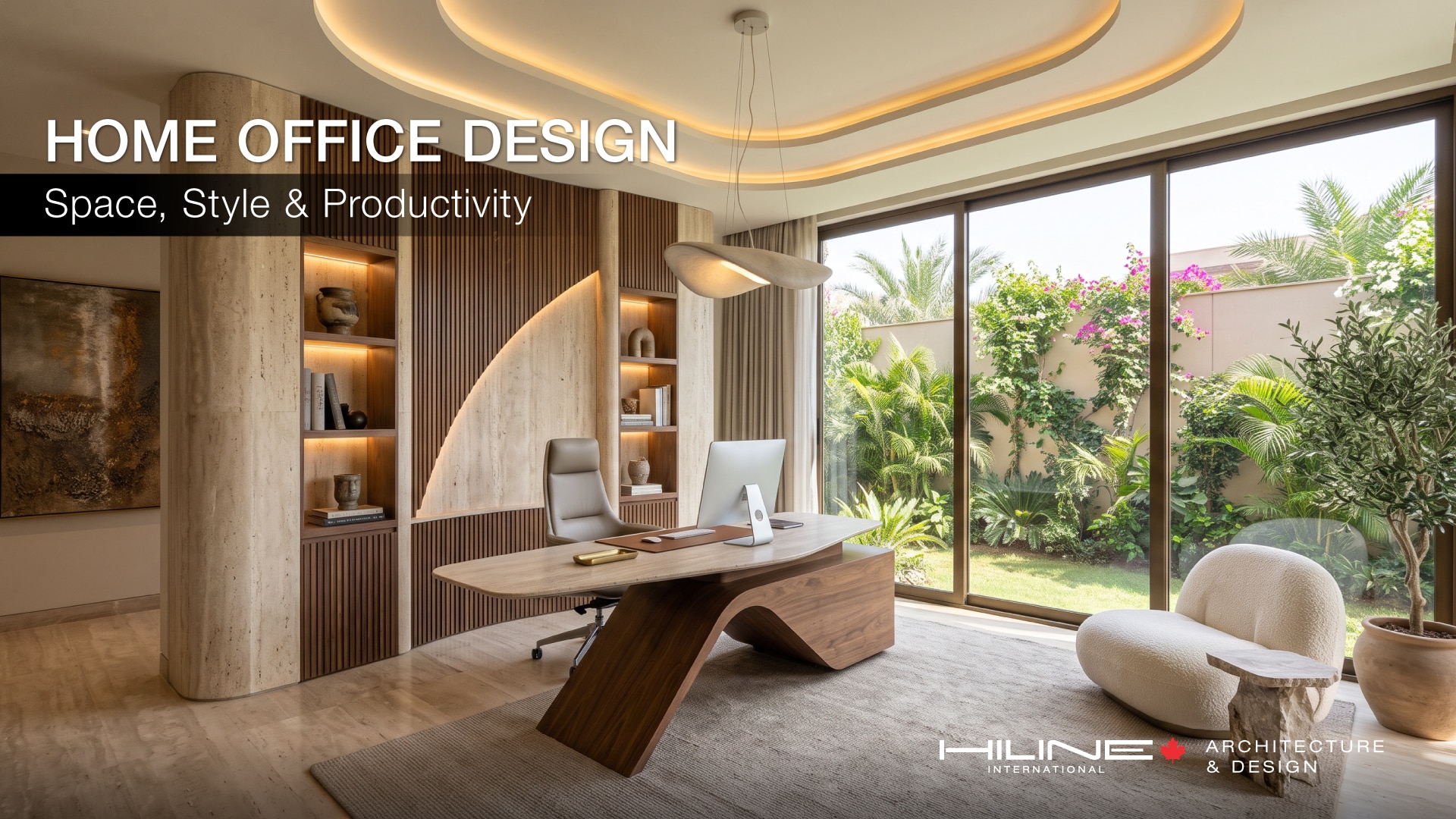
Working from home has changed how many homeowners in Lahore use their residential spaces. A spare bedroom, an unused corner, or even a small section of a living area can become a productive workspace when designed thoughtfully. However, creating a comfortable home office requires more than placing a desk and chair in a room. The layout, lighting, furniture, storage, and overall environment all influence how effectively the space supports daily work.
A well-planned home office design in Lahore should balance functionality with the existing interior of the house. Whether you work remotely, manage freelance projects, attend online meetings, or need a dedicated study area, the right design can improve concentration while making better use of available space.
From compact workstations in smaller homes to dedicated offices in larger residences, this guide explores practical home office design ideas, furniture choices, lighting solutions, and planning considerations for Lahore homeowners.
Why a Well-Designed Home Office Matters
A dedicated home office creates a clear distinction between professional responsibilities and personal activities. Without a defined workspace, working from home can become uncomfortable, disorganized, and difficult to manage.
A functional workspace provides several advantages:
- Better concentration: A designated work area reduces distractions and helps establish a consistent working routine.
- Improved comfort: Appropriate furniture and workstation positioning support more comfortable working hours.
- Better organization: Dedicated storage keeps documents, equipment, and accessories accessible.
- Professional appearance: A thoughtfully arranged background and suitable lighting improve the appearance of online meetings.
- Efficient use of space: An unused room or corner can serve a practical purpose without requiring additional construction.
- A more organized home: Keeping work-related equipment in one location helps prevent clutter from spreading throughout the house.
The objective is not necessarily to create an expensive office. It is to design a space that supports the way you work while fitting naturally into your home.
How to Choose the Right Location for a Home Office in Lahore
The location of a home office affects privacy, comfort, lighting, and everyday usability. Before selecting furniture or finishes, consider where the workspace will function most effectively.
Use a Spare Bedroom for a Dedicated Workspace
A spare bedroom can provide an ideal environment for a home office because it offers greater privacy and enough space for a desk, chair, storage, and additional equipment.
If the room is occasionally used for guests, consider a flexible layout that accommodates both purposes. A compact desk, built-in shelving, or a sofa bed can help maintain functionality without overcrowding the room.
Create a Workspace Within the Bedroom
For homeowners without an additional room, a bedroom corner can become a practical workstation.
A small desk positioned along an available wall, combined with vertical shelves and a comfortable chair, can create a dedicated working area without significantly changing the room’s layout.
To maintain visual separation, use a different wall colour, a compact shelving unit, or a carefully positioned furniture arrangement.
Consider Unused Corners and Underutilized Areas
Some residential layouts contain areas that are not used efficiently. These may include:
- Corners near windows.
- Wide bedroom walls.
- Unused sections of a landing.
- Areas beneath suitable staircases.
- Spaces beside existing storage units.
Such locations can accommodate compact workstations, provided they offer adequate lighting, ventilation, privacy, and comfortable movement.
Prioritize Privacy and Natural Light
A home office should ideally be positioned away from frequently used family areas. This becomes particularly important when attending meetings, handling confidential information, or working during different hours.
Natural daylight is another important consideration. A location near a window can make the workspace more pleasant, but the desk should be positioned carefully to prevent excessive sunlight or screen glare.
Small Home Office Design Ideas for Lahore Homes
Small home office design requires careful planning because every part of the room serves a purpose. Instead of filling the available space with furniture, focus on selecting pieces that provide multiple functions and maintain a comfortable layout.
Use Wall-Mounted or Compact Desks
Wall-mounted desks are useful when floor space is limited. They provide a working surface without requiring a large furniture footprint.
Compact desks with drawers or concealed storage can also help maintain a clean appearance. For very small rooms, foldable desks may offer additional flexibility.
Make Use of Vertical Space
When the floor area is limited, walls can provide valuable storage opportunities.
Floating shelves, vertical cabinets, and wall-mounted organizers help store books, documents, and accessories without occupying additional floor space.
However, shelving should be positioned carefully so that frequently used items remain accessible and the workspace does not feel visually crowded.
Consider Corner Workstations
A corner desk can make use of two adjoining walls and provide a practical working surface in an otherwise unused area.
This arrangement is particularly useful in bedrooms and multipurpose rooms where a conventional desk may interfere with movement.
Integrate the Workspace With Existing Furniture
In some homes, a workstation can be incorporated into an existing bedroom or living room furniture arrangement.
For example, a custom desk may be integrated into a storage cabinet, dressing area, or shelving system. This approach can help maintain visual consistency while creating a functional work zone.
Thoughtful space planning and furniture integration are important when designing compact workspaces. The objective is to maintain enough room for the chair, movement, storage, and everyday activities without making the interior feel congested.
Home Office Furniture – What Should You Choose?
Furniture is one of the most important elements of a functional home office. The right combination of desk, chair, and storage can improve comfort while supporting the requirements of different working styles.
Choose a Desk According to Your Work Requirements
The desk should provide enough surface area for the equipment you use regularly.
A computer-based workstation may require space for a monitor, keyboard, mouse, and documents. Creative professionals may need a larger surface for drawing, writing, or handling materials.
Before purchasing a desk, consider:
- Available room dimensions.
- Computer and equipment requirements.
- Storage needs.
- Position of electrical outlets.
- Space required for comfortable chair movement.
- Whether the desk will serve multiple purposes.
A desk that is too large can make a small room uncomfortable, while an undersized surface may create unnecessary clutter.
Invest in a Comfortable Office Chair
A comfortable chair is essential for people who spend extended periods working at a desk.
Look for features such as appropriate seat height, supportive backrest, suitable cushioning, and adjustability. The chair should allow the user to sit comfortably with feet supported and the workstation positioned at an appropriate height.
For longer working hours, ergonomic considerations should take priority over decorative appearance.
Add Storage Without Overcrowding
Storage helps keep the workspace organized, but it should be selected according to actual requirements.
Useful options include:
- Desk drawers.
- Filing cabinets.
- Wall-mounted shelves.
- Compact bookcases.
- Built-in storage units.
- Cabinets for printers and accessories.
Custom-designed furniture can be particularly useful when the room has unusual dimensions or when several functions need to be accommodated within a limited area.
For homeowners considering customized workstations, HILINE’s custom-designed furniture solutions can provide inspiration for integrating desks, storage, and decorative elements into a coordinated interior.
Plan Cable Management and Equipment Placement
Computer equipment, chargers, printers, and other accessories can quickly make a desk look cluttered.
Cable management systems, concealed wiring channels, organized power outlets, and dedicated equipment storage help maintain a cleaner workspace.
These details should ideally be considered before furniture installation rather than added after the office is completed.
Home Office Lighting Ideas for Better Comfort
<AsyncImageGroup query={[“modern home office desk positioned beside large window daylight”,”home office desk lamp task lighting modern interior”,”minimal home office layered lighting ceiling and desk lamp”]} aspectRatio=”4:3″/>
Lighting plays a significant role in how comfortable and practical a home office feels. A workspace should provide sufficient illumination for reading, computer work, and video meetings without creating excessive glare or harsh shadows.
Make the Most of Natural Daylight
Natural light can make a workspace feel more open and pleasant.
If possible, position the desk near a window while considering the direction of sunlight and the placement of computer screens.
For many workstations, placing the monitor perpendicular to the window can help reduce direct reflections. Curtains, blinds, or other shading solutions may be useful where sunlight becomes too strong.
In Lahore, where bright daylight and seasonal heat can influence indoor comfort, window positioning and shading deserve particular attention.
Use Task Lighting for Desk Activities
Task lighting provides focused illumination where it is needed.
A desk lamp with adjustable positioning can help illuminate documents, writing surfaces, or other work activities. It is particularly useful during evening work or when general room lighting is insufficient.
The lamp should be positioned to avoid unwanted shadows and reflections on the screen.
Combine Ambient and Task Lighting
A functional home office should not rely entirely on a single ceiling light.
A layered lighting arrangement may include:
- General ceiling lighting for overall room illumination.
- A desk lamp for focused work.
- Soft supplementary lighting where required.
This approach helps create a balanced environment for different activities throughout the day.
Consider Lighting for Online Meetings
Lighting also affects how the workspace appears during video calls.
A light source positioned in front of or slightly beside the user can provide more balanced facial illumination than a bright window directly behind the chair.
The background should remain visually organized, with lighting that complements rather than distracts from the workspace.
Colour Schemes and Materials for a Modern Home Office
The colour palette and material selection influence the atmosphere of a home office. A workspace should feel comfortable and visually organized without becoming unnecessarily decorative.
Choose Colours That Complement the Interior
Neutral colours such as white, beige, soft grey, and muted earthy tones can create a calm visual environment.
Wood finishes may introduce warmth, while carefully selected accent colours can add character without overwhelming the room.
For smaller workspaces, lighter colours can help maintain a visually open appearance, particularly when combined with adequate lighting.
Select Practical Desk and Furniture Materials
Furniture surfaces should be suitable for everyday use.
Depending on the design and budget, options may include:
- Wood and engineered wood finishes.
- Laminated desk surfaces.
- Veneered furniture.
- Metal accents.
- Glass elements for selected applications.
The choice should consider durability, maintenance, appearance, and compatibility with the existing interior.
Maintain Consistency With the Rest of the Home
A home office does not need to look like a separate commercial office.
In bedrooms and living areas, furniture finishes, colours, and decorative elements should complement the surrounding interior. This helps the workspace feel integrated rather than visually disconnected.
Storage and Organization Ideas for a Clutter-Free Workspace
<AsyncImageGroup query={[“modern home office built in shelving organized books storage”,”minimal home office hidden storage desk drawers”,”home office vertical shelves organized documents accessories”]} aspectRatio=”4:3″/>
An organized workspace makes everyday activities easier and helps maintain a comfortable working environment.
Use Built-In Storage for Better Space Utilization
Built-in cabinets and shelves can be designed according to the room’s dimensions.
They are particularly useful in smaller rooms where conventional furniture may leave unused gaps or interfere with movement.
Storage can be integrated above the desk, along an adjoining wall, or within a larger furniture unit.
Separate Frequently Used and Occasional Items
Items used every day should remain within easy reach.
Documents, notebooks, chargers, and frequently used accessories can be stored in desk drawers or nearby shelves. Equipment and materials used less frequently may be placed in closed cabinets.
This arrangement reduces clutter while making the workspace easier to maintain.
Keep the Desk Surface Clear
A desk should provide enough space for the primary working activity.
Avoid filling the surface with unnecessary decorative accessories, storage boxes, or equipment that can be placed elsewhere.
A clear desk improves usability and makes it easier to adapt the workspace when requirements change.
How to Design a Home Office for Different Work Requirements
Different professions require different workspace arrangements. A home office designed for computer-based work may not be suitable for someone handling creative projects or physical documents.
Home Office for Remote Employees
Remote employees generally need a comfortable desk, supportive chair, computer setup, reliable power access, and adequate lighting.
The design should also support online meetings and provide enough privacy for focused work.
Home Office for Freelancers
Freelancers may require additional storage for equipment, project documents, or specialized tools.
A flexible workstation can help accommodate different assignments while keeping materials organized.
Home Office for Creative Professionals
Creative work may require a larger desk, additional surface area, storage for materials, or space for multiple screens.
The layout should prioritize accessibility and flexibility rather than focusing only on decorative appearance.
Study Room and Home Office Combination
A home office can also function as a study room for students or family members.
In such cases, shelving, writing surfaces, and storage should be planned to accommodate different activities without compromising the primary workstation.
Home Office Design Mistakes to Avoid
Even a well-decorated workspace can become uncomfortable if practical requirements are overlooked.
Choosing Furniture Before Measuring the Room
Furniture should be selected after considering room dimensions, movement, and equipment requirements.
A large desk or storage cabinet may appear attractive but can make a compact workspace difficult to use.
Ignoring Chair Comfort
A decorative chair may not provide sufficient support for extended working hours.
Comfort, adjustability, and appropriate workstation height should be considered before appearance alone.
Placing the Desk Where Screen Glare Occurs
Direct sunlight or reflections from windows can make computer work uncomfortable.
Desk positioning, curtains, blinds, and lighting adjustments should be considered during the initial layout.
Overcrowding a Small Workspace
Adding too many shelves, cabinets, and accessories can reduce usable space.
A compact office should prioritize essential furniture and storage rather than attempting to accommodate every possible feature.
Ignoring Electrical and Technology Requirements
A workspace may require several power outlets, charging points, internet access, and equipment connections.
Planning these requirements early can reduce visible cables and avoid inconvenient furniture arrangements later.
How Interior Design Can Improve Your Home Office
Home office planning becomes more effective when furniture, lighting, storage, and room layout are considered together.
For example, a desk positioned near a window may provide daylight but could create screen glare. A large storage cabinet may offer additional organization but reduce chair movement. A built-in workstation may save space but require careful planning of electrical connections.
An integrated design approach helps balance these requirements.
For homeowners planning a more customized workspace, professional interior design expertise in Lahore can help evaluate room dimensions, furniture proportions, material choices, and lighting arrangements before implementation.
HILINE International approaches interior planning by considering how spaces function alongside their visual appearance. Its design services can support homeowners looking to coordinate workspaces with bedrooms, living areas, or broader residential interiors.
Creating a Home Office That Fits Your Lifestyle
The best home office is not necessarily the largest or most expensive one. It is the workspace that supports your daily routine and makes efficient use of the available room.
Before finalizing your design, consider the following:
- How many hours will you spend working there?
- Do you need a separate room or a compact workstation?
- Which equipment and furniture are essential?
- Will other family members use the space?
- Is additional storage required?
- Does the room receive suitable natural light?
- Can the workspace adapt to future requirements?
These questions help establish priorities and prevent unnecessary spending on features that do not improve functionality.
For homeowners planning changes to an existing bedroom, study, or unused room, renovation and interior improvement solutions may also be relevant when the workspace requires adjustments to furniture, lighting, storage, or finishes.
Plan Your Home Office Design With HILINE International
A functional home office requires a thoughtful balance between space, furniture, lighting, and everyday usability. Whether you are creating a compact workstation in a bedroom or designing a dedicated office within your home, careful planning can make the space more comfortable and efficient.
HILINE International provides architectural and interior design services for residential spaces, helping homeowners consider layouts, furniture integration, finishes, and overall interior coordination.
If you are planning a home office in Lahore, professional design support can help you make better use of available space while maintaining consistency with the rest of your home.
Explore HILINE’s 3D rendering and visualization services to understand how visual previews can support design decisions before finalizing furniture, colours, and interior arrangements.
A well-planned home office is an investment in everyday comfort and productivity. With the right design approach, even a small corner can become a workspace that feels organized, practical, and distinctly your own.
Frequently Asked Questions
1. How do I design a home office in a small room?
Start by measuring the available space and identifying essential furniture. A compact desk, comfortable chair, wall-mounted shelves, and organized storage can help create a functional workspace without overcrowding the room. Keep enough space for movement and position the workstation according to available light.
2. What is the best location for a home office in a Lahore house?
A spare bedroom, quiet corner, or underutilized area can work well. The ideal location should provide reasonable privacy, comfortable lighting, ventilation, and sufficient space for furniture and equipment.
3. Which furniture is essential for a functional home office?
The essential furniture generally includes a suitable desk, comfortable chair, and storage for documents or accessories. Additional shelves, cabinets, and equipment stands can be added according to work requirements and available space.
4. How should lighting be planned for a home office?
Combine natural daylight with appropriate ambient and task lighting. Position the desk to minimize screen glare, use a desk lamp when needed, and ensure that the workspace receives sufficient illumination during evening hours.
5. Can a bedroom also be used as a home office?
Yes. A bedroom can accommodate a home office through a compact desk, suitable chair, and organized storage. Furniture placement and visual separation can help maintain the bedroom’s primary purpose while providing a practical working area.
6. What colours are best for a modern home office?
Neutral colours such as white, beige, grey, and soft earthy tones are popular choices for creating a calm workspace. Wood finishes and subtle accent colours can add warmth and character while maintaining visual consistency with the surrounding interior.
7. Is professional interior design necessary for a home office?
Professional interior design is not essential for every home office, particularly simple setups. However, it can be valuable when working with limited space, custom furniture, complex layouts, or a workspace that needs to integrate with the overall residential interior.